Rednote / A Bluewawa field guide
A Rednote Creator Brief Template for Overseas Brands
Brief creators with a clear reader question, verified facts and room for their own voice. Includes a reusable brief structure and a fictional hospitality example.
In this guide
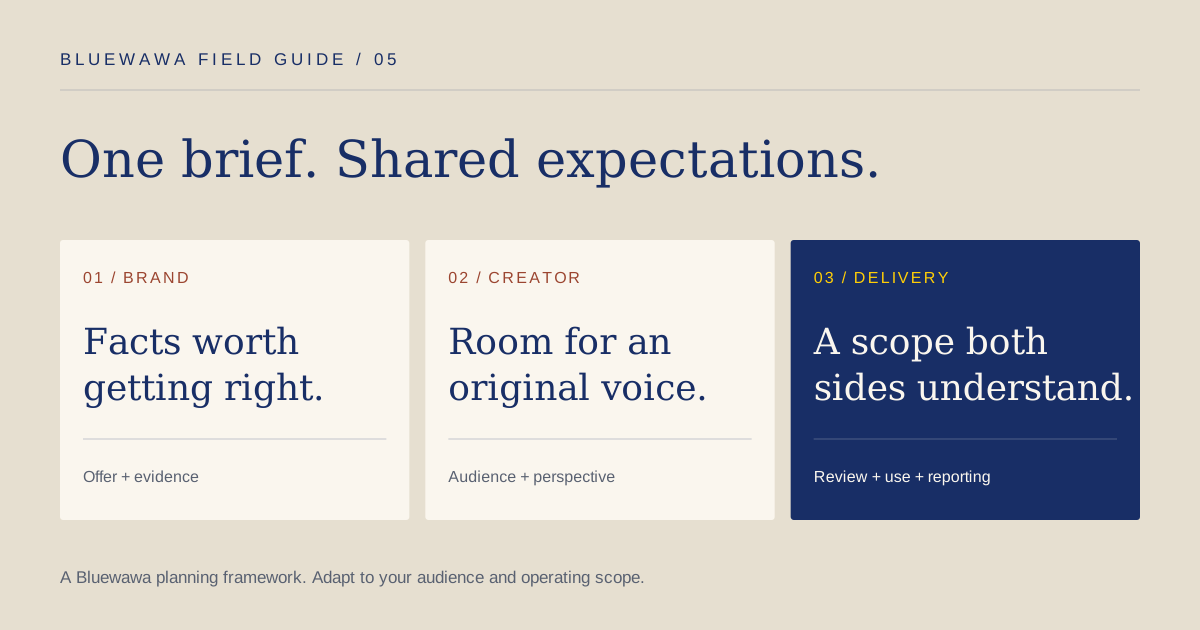
A creator receives a brand deck, a product link and a request to “make it feel local.” The brand expects a detailed recommendation; the creator expects a short introduction. Both can complete their own interpretation and still end up with an unusable draft.
A written brief should resolve that gap before production. This is Bluewawa's proposed planning template for overseas brands arranging Rednote creator content. It is not a platform contract or a promise of campaign results.
Choose the reader and content job before the creator list
Define who should find the content useful and which decision it should support. A product demonstration, a destination guide and an account introduction ask different things of a creator.
Assess a shortlist against that job. Review relevant recent content, the questions readers ask, the creator's ability to explain the category and the practical requirements of producing the piece. A follower count alone cannot show whether someone can answer your customer's question.
Rednote's official Pugongying creator collaboration platform describes creator data, collaboration workflows and campaign reporting among its capabilities. Use the official platform and its help centre to check the available collaboration route and current requirements for your setup. The brief below is an editorial framework for that conversation.
Put the working brief in one shared document
Give the creator and brand reviewers the same current version. Add Chinese copy or a Chinese explanation where needed, with English notes that explain intent rather than forcing a word-for-word match.
| Brief field | What the brand should supply |
|---|---|
| Audience and use case | Who the content serves and the situation they are considering |
| Primary question | The one thing a reader should understand after viewing |
| Brand and product facts | Approved names, specifications, availability and supporting references |
| Creator contribution | The experience, demonstration or perspective being requested |
| Deliverables | Format, number of pieces, required versions and source-file expectations |
| Essential information | Details that must be accurate, with a source for each claim |
| Creative freedom | Which choices the creator can make about structure, voice and visuals |
| Review and dates | Draft stages, named reviewers and the planned publishing window |
| Contact route | An approved, tested next step appropriate to the actual account |
| Reporting | Available metrics, reporting date and how the brand will review relevant enquiries |
Attach a short fact sheet rather than a folder of conflicting presentations. Mark missing information as unresolved and assign an owner. If a feature or result cannot be verified, it should not become a required talking point.
Separate factual approval from creative direction
The brand should confirm product accuracy, approved assets and the agreed scope. The creator should contribute a credible way to explain or demonstrate the offer for their audience.
For an experience-based piece, allow the actual experience to inform the content. Do not supply a fictional customer story or require a positive personal verdict before someone has tried the product or service. If the assignment is an introduction based on supplied materials, describe it that way in the brief.
Organize feedback into three groups: factual correction, a missed deliverable, and an optional creative preference. This makes it easier to resolve necessary changes without rewriting every creator into the brand's corporate voice.
Our Rednote localization guide includes an example of explaining Chinese creative choices to an English-speaking reviewer. Use the same approach when a creator's natural phrasing differs from a literal translation.
Agree the commercial scope before production starts
Keep production expectations and the commercial agreement aligned. Confirm what the proposed fee includes, who supplies the product or experience, and what happens if dates or deliverables change. Record whether revisions, reshoots, travel or additional versions are included or require a new agreement.
Treat content reuse as an explicit scoping question. If the brand wants to repost a note, edit a video, use footage in advertising or receive raw files, ask about each use before production. Specify the intended channels, period and formats in the agreement rather than assuming publication gives the brand every future use.
Assign someone to verify the current platform workflow and promotional labelling requirements for the actual collaboration. Keep those checks with the project record. This article does not replace the applicable platform terms or a campaign-specific agreement.
Work through a small hospitality concept
The following is a self-initiated example for a fictional coastal guesthouse. No creator has been engaged, no stay has taken place and no campaign performance is claimed.
| Brief item | Proposed entry |
|---|---|
| Audience | Chinese-speaking travellers considering a short coastal break |
| Reader question | What would a slower two-day stay actually involve? |
| Content idea | Walk through a plausible weekend rhythm, with practical details |
| Creator contribution | Propose the narrative and identify questions to check during a real visit |
| Illustrative deliverable | One photo note, with the final image count and copy scope agreed before work |
| Required facts | Actual location, room type, access, availability enquiry route and relevant conditions |
| Open facts | All property-specific details remain unverified because this business is fictional |
| Review process | One consolidated factual review and an agreed final check before publication |
A suitable concept line might be “A slower weekend by the sea.” It should not become “the quietest guesthouse on the coast” without evidence. Similarly, the brief cannot promise an uninterrupted sea view if the room assigned for the visit has not been confirmed.
Once the real facts exist, use the keyword research worksheet to check which practical questions could improve the piece. Search terms should inform the brief without forcing the creator to repeat a list of phrases.
Plan a review that can distinguish delivery from outcome
Create a delivery record first: the approved content, publication link, publication date and any agreed follow-up files. Then capture the available performance information at the agreed review point, using consistent metric definitions.
Review relevant reader questions separately from headline engagement totals. Did people understand the offer? Were basic facts missing? Could the team identify enquiries associated with the piece? Report unknown attribution honestly, and keep paid distribution separate where the available data allows it.
For a small collaboration, the most useful conclusion may be a better product explanation or a clearer response process. A single note cannot establish a reliable sales forecast for future creators.
Hand over the decisions needed for the next collaboration
Keep the final brief, agreed scope, factual references, approval record, content links and reporting notes together. Record which questions remain unanswered and what you would change next time.
That record makes the next brief more specific. It also helps the global team assess what it received without treating every creative decision as a translation issue. If you still need to decide which platform should do the initial discovery work, start with Rednote vs WeChat.
Before approving the collaboration, use the Rednote marketing budget guide to separate creator fees, coordination, production and paid distribution.
Your next step
Make the creator scope clear before outreach.
We can help connect audience research, creator selection and bilingual briefing with practical content review and reporting.